•
4 min read
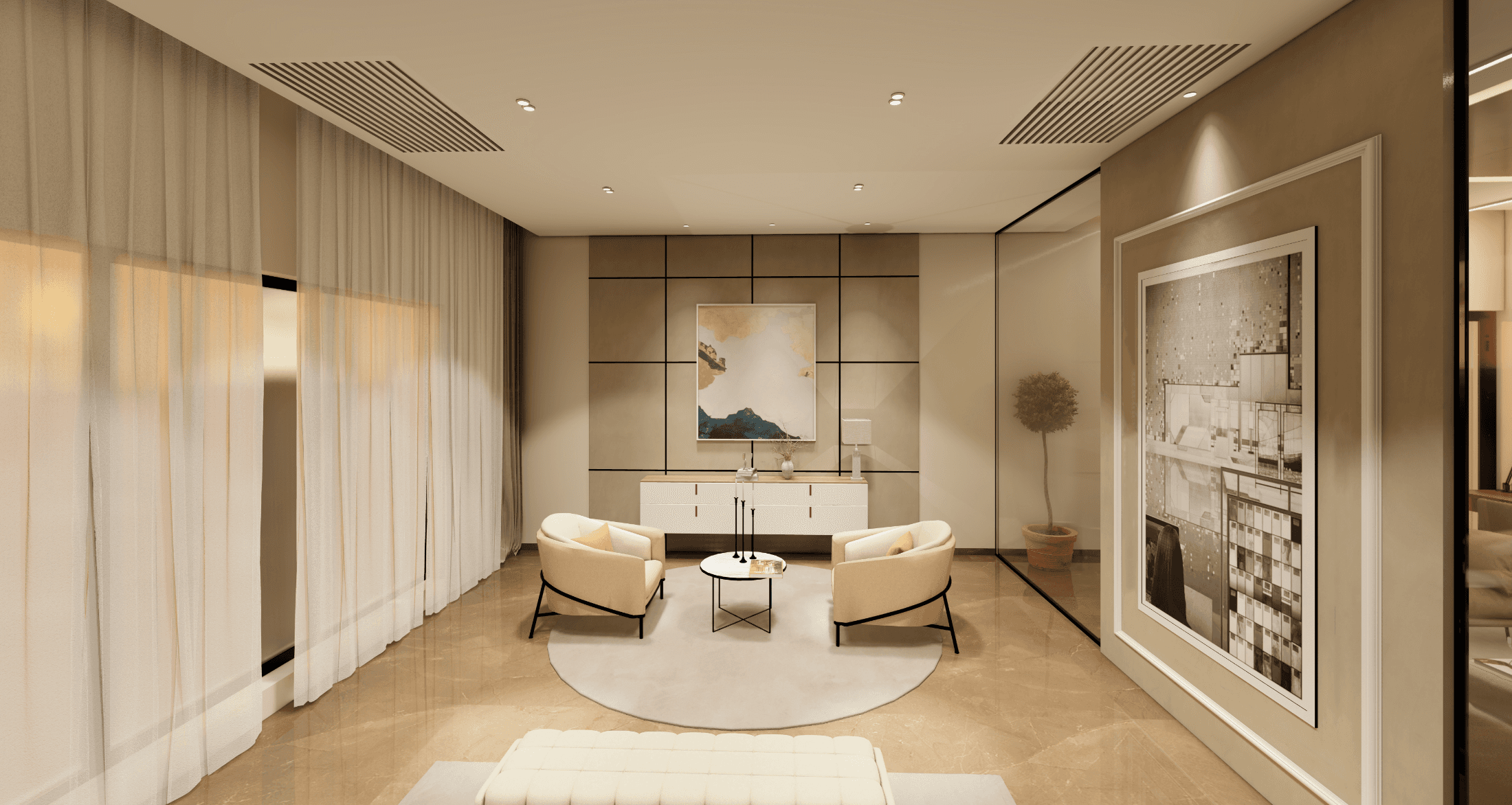
When I established Xception The Design Studio in 1995, the interior design landscape in India was vastly different. Back then, "luxury" was a visual shout—a display of gilded fixtures, high-shine marble, and recognizable designer labels. It was about creating a "showroom" to impress the outside world.
Thirty years later, the pendulum has swung. As we design for 2026 and beyond, I’ve realized that true luxury isn't a category of expense; it is a functional necessity of the soul.
For decades, luxury was defined by possession—the gold-plated fixtures, the high-shine marble, and the recognizable designer logos. It was a "gilded everything" approach intended to impress guests.
But as we design for 2026, the pendulum has swung. Today, luxury is defined by access to the inaccessible: peace, time, and deep personalization. At Xception The Design Studio, we believe a luxury home is no longer a trophy; it is a high-performance machine that feels like a warm embrace. It is the transition from a space that "looks expensive" to a space that feels invaluable.
1. The Luxury of "Sensory Quiet"
In an "always-on," over-stimulated culture, the greatest status symbol of the 21st century is silence. A luxury interior must provide a "soft landing" for the nervous system.
The New Standard: It’s not about what you see; it’s about the immediate sense of calm you feel the moment you cross the threshold.
The Execution: We achieve this through Sensory Intelligence—using acoustic plaster to soften echoes, hidden air filtration systems within bespoke cabinetry, and circadian lighting that mimics the sun’s natural path to ground your biological rhythm
2. The "Patina of Time" vs. The Instantly Finished
Modern luxury rejects "fast" culture and the "instantly finished" home. We value Intentional Craftsmanship—the story of the artisan and the provenance of materials.
The Concept: True luxury is owning a stone countertop that tells the story of the dinners hosted on it, rather than one that stays pristine and cold.
The Materials: We prioritize materials that age gracefully—unlacquered brass that darkens, reclaimed wood with a history, and hand-applied lime wash. These create a "tactile authenticity" that mass-produced furniture simply cannot replicate.
3. Hyper-Personalization: The "Anti-Trend"
Mass luxury is an oxymoron. True luxury feels like it was made for one person—the transition from "one of many" to "one of one." * Bespoke Boundaries: The ultimate floor plan isn't "open concept"; it’s flexible privacy. It is the "Away Room"—a dedicated space with no screens, designed solely for analog hobbies or thought.
Personal Rituals: If you love coffee, luxury is a dedicated morning station built to your exact height and workflow. It is the courage to ignore what is "on-trend" to reflect your soul.
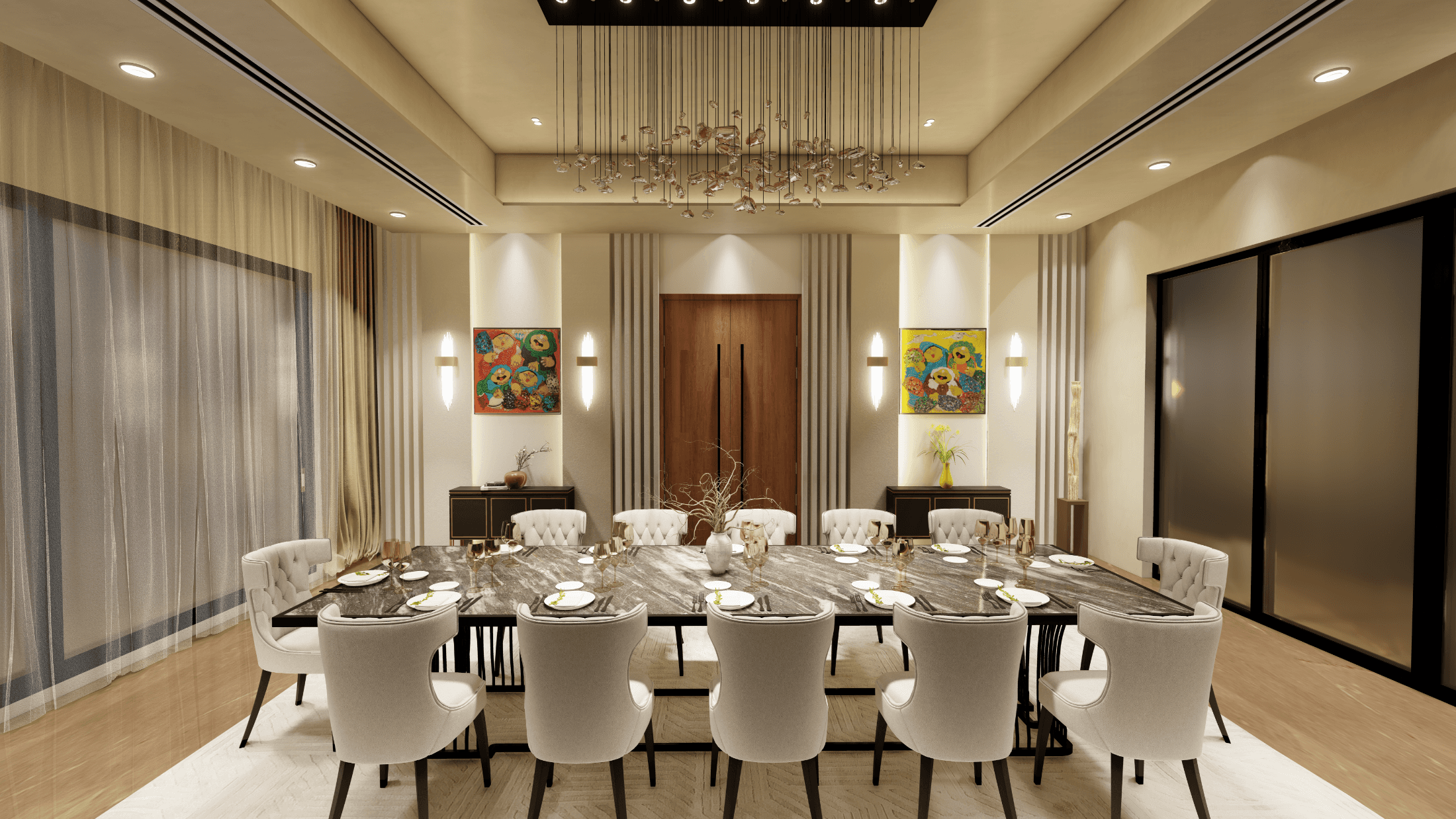
How to Create the Look: The 3 Layers of High-End Design
Elevating a space from "catalog" to "curated" requires an obsession with details that 99% of people may never notice, but that create a lasting emotional impact.
Layer I: The Foundation (Scale and Glow)
Most design mistakes happen in the "bones." If the scale is wrong, the luxury disappears.
Mastering Proportion: Your grounding pieces must fit like a tailored suit. A key rule? The rug should always be wider than the sofa, and the sofa wider than the coffee table.
The "Glow" vs. The "Blaze": Avoid harsh overhead lighting. Use layered lighting—sculptural floor lamps and dimmable sconces—to create "emotional zones" and pockets of warmth (2700K-3000K).
Layer II: The Form (Breaking the Box)
Modern rooms are often rectangles filled with more rectangles. To make a room feel expensive, you must break those lines.
The Power of Curves: Introduce sculptural elements like an oval coffee table or an arched mirror. Curves signal effort and uniqueness because they are harder to manufacture than straight lines.
Art with Presence: One large, confident piece of art provides a "soul" and an anchor, far more effectively than a cluttered gallery wall of tiny frames
Layer III: The Finishing Touches (The Edit)
The final layer is about Quiet Repetition and discernment.
Tactile Anchors: Prioritize natural fibers—wool over acrylic, real timber over MDF, and linen over polyester.
The Invisible Luxury: Focus on the details that aren't seen—hidden cables, soft acoustics absorbed by heavy drapes, and a consistent signature scent.
In 2026, the most prestigious homes won't be the ones with the rarest marble, but the ones that offer the deepest meaning. Great interiors aren’t assembled overnight; they are composed with intention, thought, and a rejection of the "fast" culture. After 30 years, our mission at XCEPTION The design studio, remains the same, though the definition has deepened. We don’t just create pretty rooms; we create lasting legacies. A luxury home should touch the past, exist in the present, and be robust enough to carry you into the future.
More Insights