•
4 min read

The interior design landscape is undergoing a profound ideological shift. A new, hyper-digitized, value-driven generation of young designers is entering the field, completely redefining how spaces are conceived, visualized, and executed.
For senior designers who have spent decades mastering the tactile, relationship-driven world of classic design, this sudden acceleration can feel dizzying. Coping with this rapid evolution isn’t about discarding your hard-earned wisdom; it’s about understanding where the gap lies, realizing what both sides must learn from each other, and recognizing that neither can truly thrive in isolation. At Xception the Design Studio, we believe the future of design doesn’t belong to one generation or the other. It belongs to the bridge built between them. To truly create spaces that stand the test of time, we have to look closely at this generational shift, identify the gaps, and celebrate what happens when heritage meets modern evolution.
1. The Shift: The New Design Ideology
The younger lot of designers has completely changed the playbook. They don’t just see a space as an aesthetic or a status symbol; they view it through the lens of identity, ethics, and emotional wellness.
From Superficial Luxury to "Curated Calm": The younger guard is moving away from overt opulence. They lean toward disciplined restraint, "dopamine decor" that s: They favor "dopamine decor" that sparks personal joy, trading stiff, formal rooms for highly intuitive sanctuaries that accommodate hybrid, modern lifestyles. Sparks personal joy, and spaces that act as sanctuaries from an overstimulated world.
The Screen-First Workflow: As digital natives, their initial canvas is often an iPad, an AI prompting tool, or high-speed rendering software. They can generate concept variations in minutes, treating design as a highly fluid, adaptable system rather than a single static plan. They treat design as fluid and adaptable, seamlessly translating ideas from an iPad screen to virtual reality in a matter of minutes
Purpose over Precedent: They are radically focused on climate-responsive design, local contexts, and radical material transparency. They will question why a material is being shipped across the world when a sustainable, honest, local alternative exists. The youth are driven by radical material transparency, climate-responsive design, and a deep reverence for sustainability.
2. Where is the Gap? (Speed vs. Substance)
The real friction between the experienced guard and the emerging youth isn't a lack of talent—it's a fundamental difference in pacing and perception.
The Young Guard (The Digital Natives) | The Experienced Guard (The Heritage Masters) |
Aesthetics for the Screen: Exceptional at creating high-impact visual narratives, Instagram-worthy vignettes, and instant spatial concepts. | Design for the Senses: Masterful at understanding how a room feels when you sit in it, how lighting changes at 4:00 PM, and how acoustics impact mood. |
The "Time Drought": Conditioned by a fast-paced digital world, they value speed, algorithmic trends, and instant optimization. | The Deep Marination: Understand that true luxury and comfort require time, precise detailing, and extensive coordination with artisans. |
Fluid, Tech-Driven Comm: Prefer digital/physical fluidity, seamless mode-switching, and agile project tools. | Relationship-First Foundation: Rely on deep, emotional client interviews, hand-shake trust, and long-standing vendor relationships. |
The gap lies where the screen ends and reality begins. A young designer can create a breathtaking 3D render of a room, but a senior designer knows exactly how that custom wardrobe door will hang, age, and weather five years down the line.
3. What Seniors Must Learn: Keeping Pace with the Times
Experienced designers do not need to lose their identity to stay relevant, but they do need to evolve their delivery.
Embrace the Digital "Collaborator"
Technology is no longer just a tool for draftsman ship; it’s a tool for curation. Embracing AI, lightning-fast rendering platforms, and streamlined client presentation tools isn't giving up on your art—it frees up your time. It allows you to offer specialized, agile services (like "Designer for a Day" concepts) that modern clients crave.
Interior Design Magazine
Design with Emotional Urgency
Younger clients and designers view wellness not as a luxury add-on, but as a performance metric. Seniors can learn to intentionally lean into these new values: biophilic integrations, strict eco-friendly sourcing, and creating spaces tailored to fluid, hybrid lifestyles where the line between work and home is beautifully blurred.
Interior Design Magazine
4.What Modern Youth Must Not Discard: The Sacred Practices
In the rush to automate and innovate, younger designers risk cutting out the very practices that elevate interior design from a fleeting internet trend to a lasting legacy. These traditional pillars must never be dismissed as unnecessary:
The Art of Deep Listening and Observation
A client rarely knows how to articulate what they truly need in a home; they often just bring a collection of disjointed internet screenshots. Senior designers know that great design begins with people, not trends. It requires sitting with a client, watching how they move, understanding their unspoken daily frictions, and reading between the lines of a conversation. No algorithm can replace human empathy.
Structural Realism and Material Intimacy
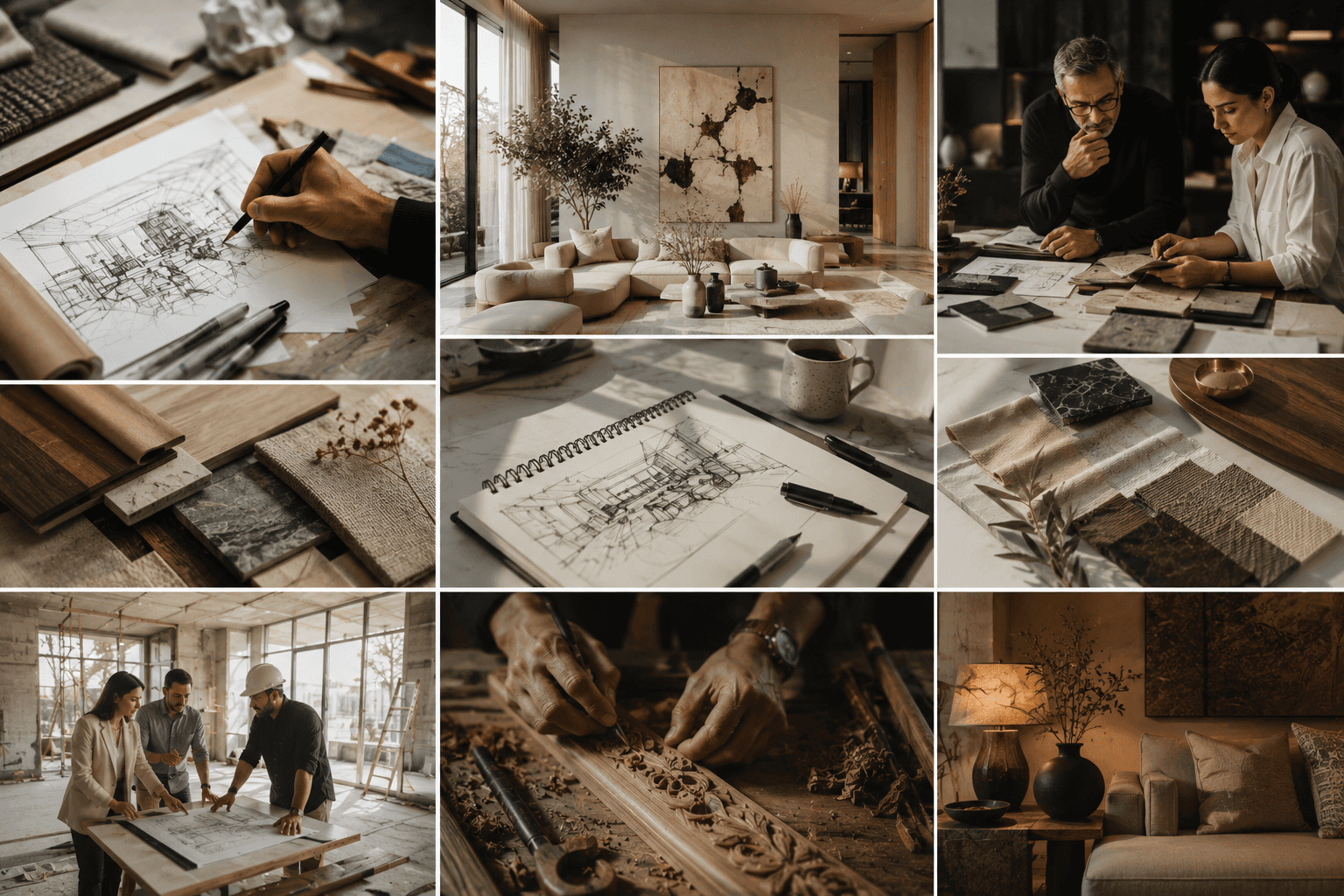
A material sample on a monitor does not have weight, texture, or a natural patina. Experienced designers understand the structural gravity of woodwork, the technicalities of electrical and plumbing integration, and the behavior of honest materials like natural stone, old timber, and hand-woven textiles over time. The "boring" technical drawings, on-site supervision, and micro-measurements are where a design either succeeds or fails in real life.
Honoring the Artisan and Vendor Ecosystem
The magic of high-end design lies in the hands of the carpenters, metalworkers, and traditional craftspeople. Senior designers have spent decades cultivating respect, language, and trust with these artisans. Youthful designers must learn that a project's success relies entirely on these human relationships—you cannot manage a master craftsman purely through an app.
The Ultimate Synthesis
At Xception, we believe the most profound spaces are born at the intersection of these two worlds.
When the structural discipline, material wisdom, and human intuition of a seasoned studio unite with the fresh, agile, and eco-conscious energy of youth, design achieves its highest form. It results in spaces that are visually striking on screen, completely comforting in reality, and beautifully built to endure for generations.
The future of design doesn’t belong exclusively to the fast or the traditional. The true "Heritage Design Authorities" of tomorrow are those who can bridge this very gap.
More Insights