Jan 9, 2026

5 min read

From Rows to Rooms: The Quiet Evolution of Office Furniture

From Rows to Rooms: The Quiet Evolution of Office Furniture

How work culture rewired what we sit on, work at, and design for — and what interior designers should carry forward.

How work culture rewired what we sit on, work at, and design for — and what interior designers should carry forward.

The story of office furniture isn’t just about desks and chairs. It’s about people. How we work, collaborate and relate to space over time. Across the decades, office interiors have reflected the pulse of cultural shifts, technological waves and behavioral psychology. Furniture, often overlooked, has quietly shaped and been shaped by these movements.


At Xception we view every chair, desk and partition as more than just a piece of furniture. It is a reflection of purpose, identity and adaptability.


A Century of Shifts: From Command to Collaboration


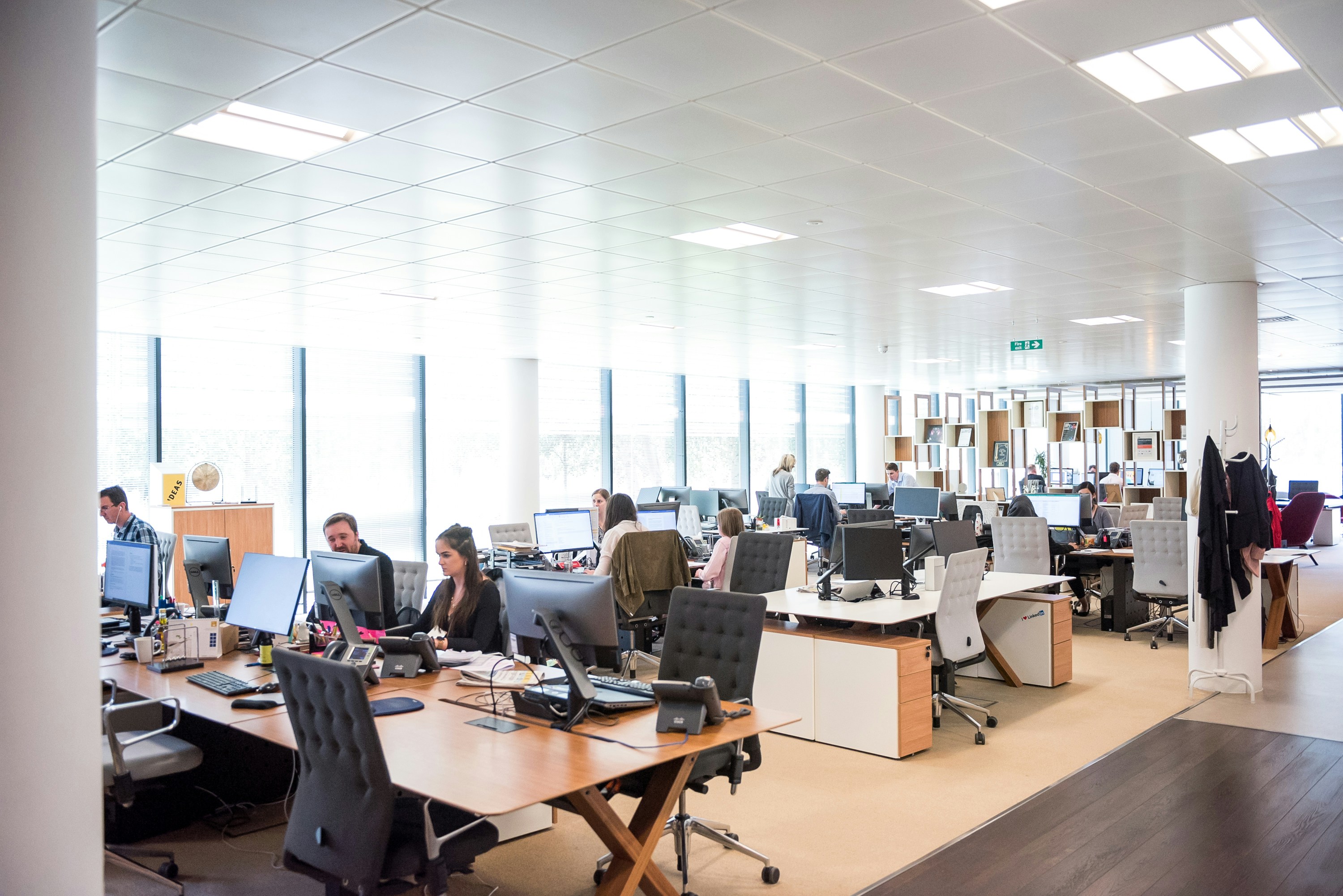
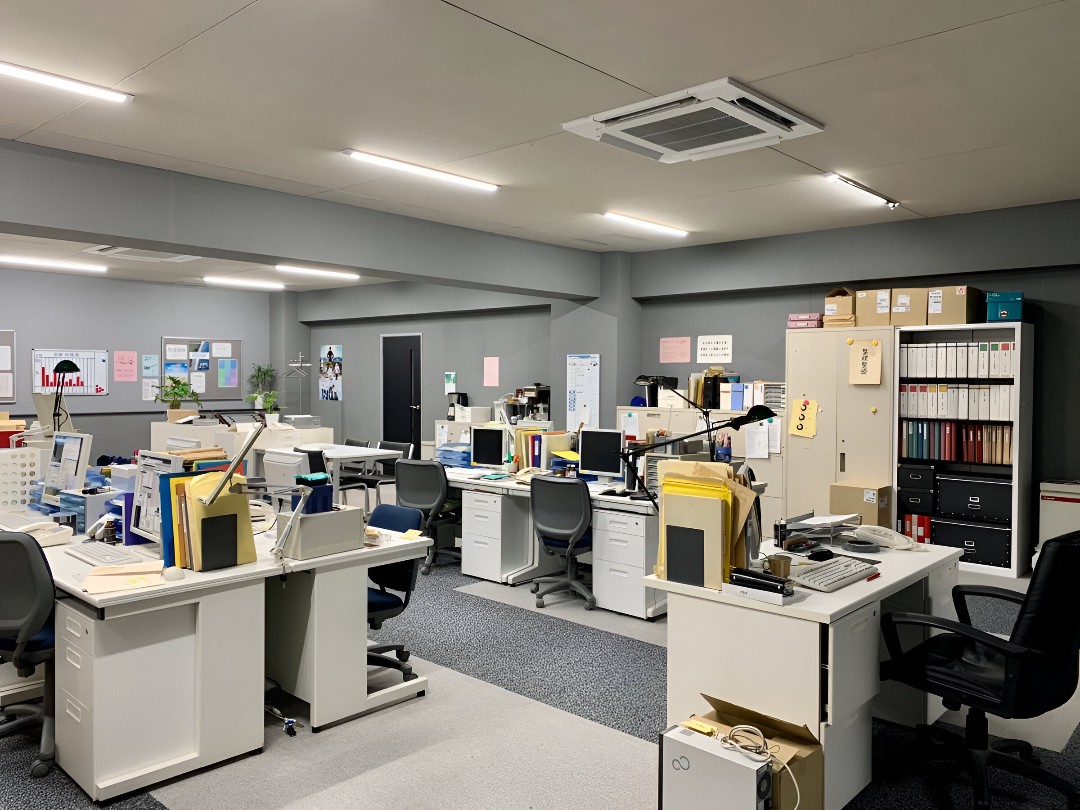
In the early 1900s the workplace was linear and hierarchical. Desks lined up like soldiers. Chairs were stiff and design was purely functional. Privacy belonged only to executives. The rise of bureaucracy brought uniformity to furniture, prioritizing efficiency and control over comfort or expression.


By the mid-20th century cracks began to form in this rigid structure. Visionary designers like Robert Propst at Herman Miller introduced modular systems that allowed movement and flexibility. The Bürolandschaft movement in Germany broke the grid entirely. It encouraged open clusters, natural light and human-centric design.


The promise of flexibility was short-lived. The rise of the cubicle turned innovation into confinement. Space became standardized again, this time behind fabric partitions.


Work as Culture: When Design Caught Up


It wasn’t until the late 1990s and early 2000s that furniture design started to reflect a deeper cultural shift. Work was no longer just task-oriented. It became collaborative, creative and fluid.


Startups led the charge. Spaces became more informal. Sofas, communal tables and multipurpose breakout zones redefined what productive looked like. With the evolution of digital tools, employees no longer needed to be tethered to a desk. That freedom demanded a new kind of furniture. It had to move, adapt and invite interaction.


Height-adjustable desks, ergonomic seating, acoustic pods and writable surfaces became staples. Not just in design-forward offices, but in any space that understood the value of employee well-being and engagement.
The Hybrid Era: Designing for Choice


Today, the office is no longer a fixed destination. It is part of a broader ecosystem of work. From home offices to coworking spaces to in-between zones. This reality demands more than flexibility. It requires intention.


Office furniture is now expected to serve multiple functions:

  • Support hybrid work. Furniture should transition between solo deep work and team collaboration

  • Enable movement. Sit-stand desks, mobile partitions and agile seating create dynamic environments

  • Foster wellness. Ergonomics, natural materials and biophilic elements promote healthier work habits

  • Tell a story. Pieces act as cultural signifiers. They are a tactile expression of a brand’s values and vision


What We’re Designing Toward


As work becomes more asynchronous and space becomes more fluid, we see the next chapter of office furniture as one that prioritizes authenticity. Expect to see:

  • Soft architecture that replaces rigid partitions

  • Furniture that adapts to neurodiverse needs and working styles

  • Textures and materials that connect us to nature and place

  • Modular pieces that reflect a brand’s rhythm, not just its logo


Most importantly, we see furniture as a bridge between people and space. It connects the past with the future.


Final Thought


Office furniture has moved from being static and prescriptive to becoming responsive and expressive. As work culture continues to evolve, so must the objects that support it.


For us, that means designing spaces where every piece, from a conference table to a reading nook, is intentional, meaningful and quietly powerful.


If you're ready to reshape your workspace into a place that works with you, not against you, we’re ready to design that story with you.

More Insights
Read Similar Blogs

Pantone’s Color of the Year 2026 Cloud Dancer

Dec 5, 2025

2026 Interior Design Trends Forecast for Homes and Small Commercial Spaces

Every year brings a fresh wave of ideas into the world of interior design. At Xception, we do not chase trends for the sake of novelty but we stay closely tuned to them because they help us understand how people’s needs, habits and emotions are evolving. Observing design trends is not about following what is fashionable. It is about recognising larger shifts in how we want our homes to look and feel. As we move toward 2026, these shifts are clearer than ever. They speak of a desire for warmth, softness, comfort and thoughtful personal expression.

Pantone’s Color of the Year 2026 Cloud Dancer

Dec 5, 2025

2026 Interior Design Trends Forecast for Homes and Small Commercial Spaces

Every year brings a fresh wave of ideas into the world of interior design. At Xception, we do not chase trends for the sake of novelty but we stay closely tuned to them because they help us understand how people’s needs, habits and emotions are evolving. Observing design trends is not about following what is fashionable. It is about recognising larger shifts in how we want our homes to look and feel. As we move toward 2026, these shifts are clearer than ever. They speak of a desire for warmth, softness, comfort and thoughtful personal expression.

Pantone’s Color of the Year 2026 Cloud Dancer

Dec 5, 2025

2026 Interior Design Trends Forecast for Homes and Small Commercial Spaces

Every year brings a fresh wave of ideas into the world of interior design. At Xception, we do not chase trends for the sake of novelty but we stay closely tuned to them because they help us understand how people’s needs, habits and emotions are evolving. Observing design trends is not about following what is fashionable. It is about recognising larger shifts in how we want our homes to look and feel. As we move toward 2026, these shifts are clearer than ever. They speak of a desire for warmth, softness, comfort and thoughtful personal expression.

Oct 29, 2025

The Art of Curating Art at Home

Art has an energy of its own. It grounds a space, stirs emotion and makes a home feel lived in. When I curate art for a residence, I don’t look at it as an accessory. I see it as an anchor that completes the room’s narrative. Whether it is a hand-painted Pichwai from Nathdwara or a bold contemporary abstract from a local artist, the goal is always the same: balance, proportion and intention.

Oct 29, 2025

The Art of Curating Art at Home

Art has an energy of its own. It grounds a space, stirs emotion and makes a home feel lived in. When I curate art for a residence, I don’t look at it as an accessory. I see it as an anchor that completes the room’s narrative. Whether it is a hand-painted Pichwai from Nathdwara or a bold contemporary abstract from a local artist, the goal is always the same: balance, proportion and intention.

Oct 29, 2025

The Art of Curating Art at Home

Art has an energy of its own. It grounds a space, stirs emotion and makes a home feel lived in. When I curate art for a residence, I don’t look at it as an accessory. I see it as an anchor that completes the room’s narrative. Whether it is a hand-painted Pichwai from Nathdwara or a bold contemporary abstract from a local artist, the goal is always the same: balance, proportion and intention.

Have a vision?

Let's work together to bring it to life!

Have a vision?

Let's work together to bring it to life!

Have a vision?

Let's work together to bring it to life!

Have a vision?

Let's work together to bring it to life!